Tummy Tuck Before and After: Results, Scars, Recovery and What to Expect

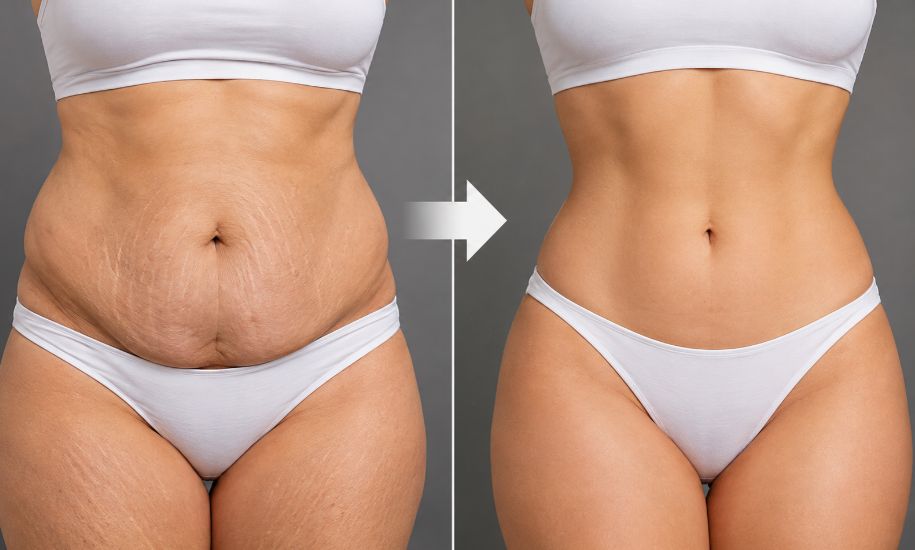
A tummy tuck can make a noticeable difference in the appearance of the abdomen, particularly for people dealing with loose skin after pregnancy, significant weight loss or ageing. However, the transformation involves more than simply achieving a flatter stomach. Understanding the tummy tuck before and after process helps patients develop realistic expectations about surgical results, recovery, scarring and long-term changes. From mini procedures to full and 360-degree body contouring, the outcome depends on individual anatomy, surgical technique and healing.
What Is a Tummy Tuck?
A tummy tuck, medically known as abdominoplasty, is a cosmetic surgical procedure that removes excess abdominal skin and, when necessary, tightens weakened or separated abdominal muscles. Some procedures also involve removing a limited amount of fat to improve the overall abdominal contour.
People may consider this operation after pregnancy, substantial weight loss or natural ageing. These changes can leave stretched skin and abdominal folds that do not respond significantly to exercise or diet.
It is important to understand that abdominoplasty is not a weight-loss procedure. It is generally more suitable for individuals who are close to their target weight but have persistent loose skin or muscle separation.
Tummy Tuck Before and After: What Changes Can You Expect?
The difference between the appearance before and after surgery can be significant, although results vary from one patient to another.
Before surgery, someone may have hanging abdominal skin, stubborn lower-belly folds, stretch marks and weakened abdominal muscles. Following recovery, the stomach may appear flatter, firmer and smoother.
Common improvements include:
- Removal of excess lower-abdominal skin.
- A smoother appearance around the waistline.
- Reduced abdominal skin folds.
- Repair of separated abdominal muscles when indicated.
- Improved clothing fit and abdominal contour.
The final appearance does not develop immediately. Swelling, bruising and tissue healing can affect the early results. Patients generally see gradual improvements over several months.
Tummy Tuck Before and After Female Patients
Women frequently consider abdominoplasty after pregnancy because carrying a baby can stretch the abdominal skin and muscles. Even after returning to a healthy weight, some women experience loose skin or a protruding lower abdomen.
A tummy tuck may address these changes by removing excess skin and repairing abdominal muscle separation when appropriate.
Before surgery, a woman might have a loose lower belly, visible stretch marks or skin folds around an existing C-section scar. After recovery, the abdominal area may look smoother and more defined.
However, surgery does not guarantee a complete return to a pre-pregnancy body. Women considering the procedure should ideally wait until they have finished having children because another pregnancy can affect the results.
Tummy Tuck Before and After Men
Men can also benefit from abdominal contouring, particularly after losing a substantial amount of weight.
Excess skin around the stomach can remain even when someone follows a consistent exercise routine. This may create folds around the lower abdomen and waist.
For suitable male patients, surgery can remove hanging skin and improve the abdominal shape. The amount of skin removed and whether muscle tightening is necessary depend on the individual’s condition.
It is worth remembering that a tummy tuck does not automatically create visible six-pack muscles. Maintaining a stable weight and following a healthy lifestyle remain important for preserving the results.
Tummy Tuck Before and After Scar: What Does It Look Like?
Scarring is an important consideration when planning abdominal surgery. A full tummy tuck generally leaves a horizontal scar across the lower abdomen, usually positioned so that it can be concealed beneath underwear or swimwear.
Some patients also develop a scar around the belly button because it may need to be repositioned during surgery.
Initially, the incision can appear red, raised or darker than the surrounding skin. As healing progresses, it usually becomes flatter and lighter. Scar maturation can continue for 12 months or longer.
The final appearance depends on skin type, genetics, surgical technique and wound healing. Although appropriate scar care can improve its appearance, no surgeon can guarantee an invisible scar.
Tummy Tuck Before and After Pictures With Stretch Marks
Stretch marks are another common concern, particularly among women who have experienced pregnancy or significant weight fluctuations.
A tummy tuck can remove some stretch marks if they are located on the excess skin being removed during surgery. For example, stretch marks below the belly button may disappear when that section of skin is excised.
However, marks located above the belly button or outside the surgical area may remain. Their appearance can sometimes change as the remaining skin is tightened.
Patients should discuss the location of their stretch marks with their surgeon rather than assuming the procedure will remove every visible mark.
360 Tummy Tuck Before and After Pictures
A 360 tummy tuck, sometimes described as circumferential body contouring, addresses excess skin around a wider portion of the torso rather than focusing exclusively on the front of the stomach.
This approach may be considered by people who have experienced significant weight loss and have loose skin around their abdomen, hips, waist and back.
Compared with a standard tummy tuck, a circumferential procedure involves a broader surgical area and may require a longer recovery.
Before-and-after photographs should be examined from the front, side and back to understand the overall changes. Patients should also confirm exactly which areas are included in the proposed operation.
Tummy Tuck Before and After Pregnancy: When Is the Right Time?
Pregnancy can stretch the abdominal muscles and skin, sometimes resulting in a condition called rectus diastasis, in which the abdominal muscles separate.
After childbirth, some women find that their stomach does not return to its previous shape, even after adopting healthy eating and exercise habits.
A tummy tuck may help remove persistent loose skin and repair muscle separation. However, patients should allow adequate time for postpartum recovery before considering surgery.
Weight should be reasonably stable, and future pregnancy plans should be discussed with the surgeon. Breastfeeding, general health and individual recovery also influence surgical timing.
Tummy Tuck Recovery: How Long Does It Take?
Recovery is an essential part of achieving a satisfactory outcome. Patients should not expect to see their final abdominal shape immediately after leaving the hospital.
During the first week, swelling, bruising and discomfort are common. Movement may be restricted, and some patients need surgical drains temporarily.
Over the following weeks, mobility gradually improves. Many patients need approximately four to six weeks away from strenuous activities, although individual recommendations vary.
During recovery, patients should:
- Follow all postoperative instructions.
- Wear compression garments as recommended.
- Avoid heavy lifting until medically cleared.
- Keep surgical wounds clean and protected.
- Attend scheduled follow-up appointments.
- Report unusual swelling, fever, worsening pain or wound problems.
Final contour improvements can take several months as swelling decreases and tissues heal.
Tummy Tuck Cost: What Determines the Price?
The total tummy tuck cost depends on several factors, including the surgeon’s experience, location, hospital fees, anaesthesia and complexity of the procedure.
A mini tummy tuck may cost less than a full or extended operation because it generally involves a smaller surgical area. A 360-degree procedure can be more expensive because it addresses a broader portion of the body.
Patients should request a detailed quotation that includes:
- Surgeon’s professional fees.
- Hospital and operating-room charges.
- Anaesthesia.
- Medical tests and consultations.
- Compression garments and medication.
- Follow-up appointments.
The cheapest option is not necessarily the safest. Choosing a qualified plastic surgeon and an appropriately equipped medical facility should take priority over price.
Is Tummy Tuck Surgery Worth Considering?
For people with persistent excess abdominal skin, abdominoplasty may offer meaningful improvements in body contour and clothing fit. Nevertheless, it is major surgery and carries risks, including infection, bleeding, blood clots, fluid accumulation, poor wound healing and unfavourable scarring.
Anyone considering treatment, including tummy tuck surgery in Turkey or another country, should carefully investigate the surgeon’s qualifications, hospital facilities and arrangements for postoperative care.
Ultimately, realistic expectations are just as important as surgical technique. Reviewing genuine patient photographs, discussing individual concerns and understanding the recovery process can help people make informed decisions.
For readers of Brit Current, understanding the complete journey behind cosmetic surgery is more valuable than focusing on dramatic photographs alone. Every patient’s body and healing experience are different, so professional medical advice should always guide decisions about abdominoplasty.