
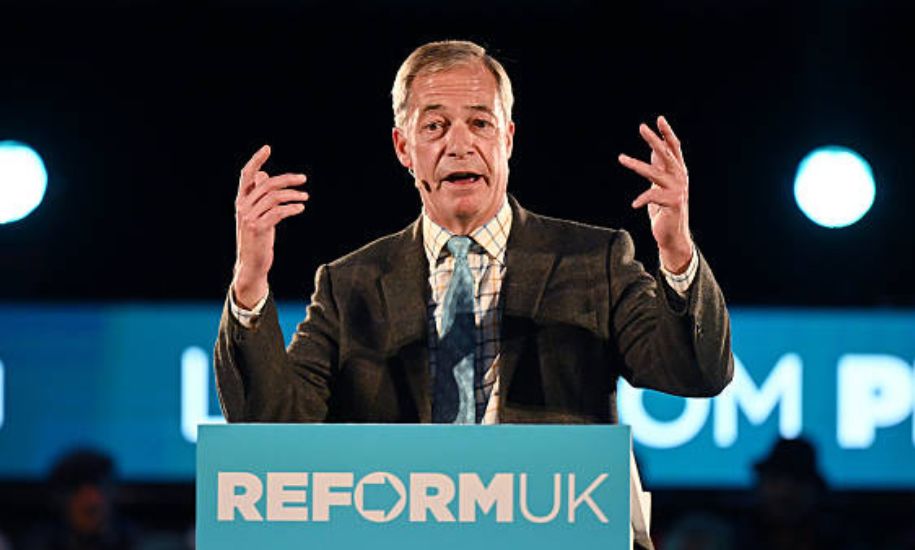
Nigel Farage is one of the most recognisable figures in modern British politics, known for his role in the campaign for Brexit and his leadership of Reform UK. Over several decades, he has challenged established political parties, influenced debates about immigration and national sovereignty, and built a reputation as a controversial but influential public speaker. From his early career in financial trading to his position as a Member of Parliament, his journey reflects significant changes in Britain’s political landscape. Understanding who Nigel Farage is requires looking beyond his public image to explore his upbringing, family, education, political achievements, and ambitions for the United Kingdom.
Quick Bio of Nigel Farage
| Detail | Information |
|---|---|
| Full name | Nigel Paul Farage |
| Date of birth | 3 April 1964 |
| Age | 62 years old as of October 2026 |
| Birthplace | Farnborough, Kent, England |
| Nationality | British |
| Political party | Reform UK |
| Father | Guy Justus Oscar Farage |
| Mother | Barbara Stevens |
| Education | Dulwich College (1975–1982) |
| First spouse | Gráinne Hayes (married 1988; divorced 1997) |
| Second spouse | Kirsten Mehr (married 1999; later separated) |
| Children | Victoria, Thomas, Isabelle and Samuel |
| Profession | Politician and former commodities trader |
| Political office | Member of Parliament for Clacton |
| Known for | Brexit campaign and Reform UK leadership |
Early Life and Family Background
Nigel Paul Farage was born on 3 April 1964 in Farnborough, Kent, England. He grew up in a family whose professional background was connected to the financial world. His father, Guy Justus Oscar Farage, worked as a stockbroker, while his mother, Barbara Stevens, supported the family during his childhood.
His early years were spent in England, where he developed an interest in public debate and politics. Although his career eventually took him into the national spotlight, his professional journey began outside politics.
Farage’s family background and education provided the foundation for his early working life. His decision to enter the financial sector rather than pursue university studies would later distinguish him from many British politicians who followed more conventional academic and professional routes.
Education at Dulwich College
Farage attended Dulwich College, an independent school in south London, from 1975 to 1982. During his school years, he became known for his outspoken personality and willingness to challenge conventional opinions.
After leaving school at the age of 18, he chose not to attend university. Instead, he entered the City of London and began working as a commodities trader, including activity connected with the London Metal Exchange.
His early professional experience exposed him to financial markets and commercial decision-making. While trading became his initial career, politics gradually emerged as his principal public interest.
His educational background is an important part of understanding his career because he entered politics through campaigning and financial experience rather than through an academic or civil service pathway.
Career Before Entering Politics
Before becoming a full-time political figure, Farage spent years working in financial trading. He worked for several firms in the City of London, gaining experience in the commodities market.
His political interests became more pronounced during the early 1990s, particularly as European integration developed. Farage opposed the direction of Britain’s relationship with the European Community and disagreed with the Maastricht Treaty, which was signed in 1992 and helped establish the framework for the modern European Union.
He left the Conservative Party following this period and became involved in the emerging Eurosceptic movement. In 1993, he was among the founding members of the UK Independence Party, commonly known as UKIP.
This decision marked a turning point in his life. What began as opposition to deeper European integration gradually became a long-term political campaign that would define his public identity.
Political Career and Rise to Prominence
Farage became one of Britain’s most prominent Eurosceptic politicians during his years with UKIP. He was elected to the European Parliament in 1999, representing South East England, and remained an MEP until the United Kingdom left the European Union in 2020.
He served as UKIP leader during two periods, from 2006 to 2009 and again from 2010 to 2016. Under his leadership, the party gained greater visibility in British politics and became an influential voice in debates about immigration, sovereignty and European integration.
His political strategy relied heavily on public speaking, television appearances and direct engagement with voters. Supporters appreciated his willingness to challenge established political figures, while opponents criticised his rhetoric and positions on immigration and national identity.
Despite his growing influence, he repeatedly failed to win a seat in the UK House of Commons during earlier parliamentary election campaigns. His eventual entry into Westminster came much later, after decades of political campaigning.
The Brexit Campaign and Its Impact
One of the defining chapters of Farage’s career was the 2016 referendum on Britain’s membership of the European Union. He became one of the most recognisable figures campaigning for the Leave side.
The referendum took place on 23 June 2016, with approximately 51.9% of voters supporting Leave and 48.1% voting to Remain. The result triggered a major political transition and ultimately led to the UK’s departure from the European Union on 31 January 2020.
Farage did not act alone in the campaign, but his contribution helped keep the question of European membership at the centre of British public debate. His visibility made him a significant figure in the wider Eurosceptic movement.
Following the referendum, he stepped away from UKIP leadership and later launched the Brexit Party in 2019. After Brexit, the organisation adopted the name Reform UK in 2021, allowing it to pursue a broader political agenda.
Reform UK and His Political Leadership
Reform UK became the next major stage in Farage’s political career. The party has focused on immigration controls, government spending, taxation, public services and national sovereignty.
Farage returned to frontline electoral politics ahead of the 2024 general election and won the Clacton constituency in Essex. His victory marked his first successful election to the UK House of Commons.
He became an MP on 4 July 2024 and continued as Reform UK’s leader. In July 2026, he resigned his parliamentary seat and subsequently contested the resulting by-election. He was re-elected for Clacton on 13 August 2026, receiving 22,239 votes, according to the official parliamentary record.
As of October 2026, he serves as the Reform UK MP for Clacton and continues to lead the party. His return to Parliament has reinforced his position as a significant figure in British political debate.
Wife, Marriages and Children
Farage’s personal life has attracted public attention, although he generally keeps his family away from the centre of his political activities.
He married Gráinne Hayes, an Irish nurse, in 1988. The marriage ended in divorce in 1997, and they had two sons together: Samuel and Thomas.
In 1999, he married Kirsten Mehr, a German national who worked in financial services. They have two daughters, Victoria and Isabelle. The couple later separated, with their separation publicly reported in 2017.
Consequently, references to Kirsten Farage as his wife generally describe their marriage history rather than necessarily indicating that they currently live together as a couple. Farage has four children in total, and his family life remains distinct from his public role as a political leader.
Political Views and Public Reputation
Farage’s political reputation is closely associated with his opposition to European integration and his support for stricter immigration policies. He argues that Britain should exercise greater control over its borders, laws and political decisions.
His supporters regard him as a politician who challenges established institutions and raises concerns they believe mainstream parties have overlooked. Critics, however, disagree with his policy proposals and argue that his rhetoric can deepen political divisions.
His communication style has made him a recognisable presence in British media. He frequently uses direct language and presents political debates as a choice between the established political system and alternatives offered by Reform UK.
Assessing his influence requires considering both his electoral achievements and the controversies surrounding his political positions. Whatever their views of him, Farage has played a substantial role in shaping Britain’s debates about Europe, immigration and the direction of national politics.
Conclusion
Nigel Farage’s journey from commodities trading to leadership of Reform UK reflects a political career built around challenging established ideas and campaigning for change. His early life, education at Dulwich College, family background and years in the European Parliament all contributed to the public figure he became. His role in the Brexit campaign remains central to his legacy, while his current position as MP for Clacton gives him a direct role in Westminster politics. For readers of Brit Current, his biography offers an insight into one of the most influential and debated personalities in contemporary British political life.

One Comment